
 Promiplast
 Grillex
 Premium Bathware
-
Top Interior Designers in Kolkata (2026) – Best Residential & Commercial Experts
-
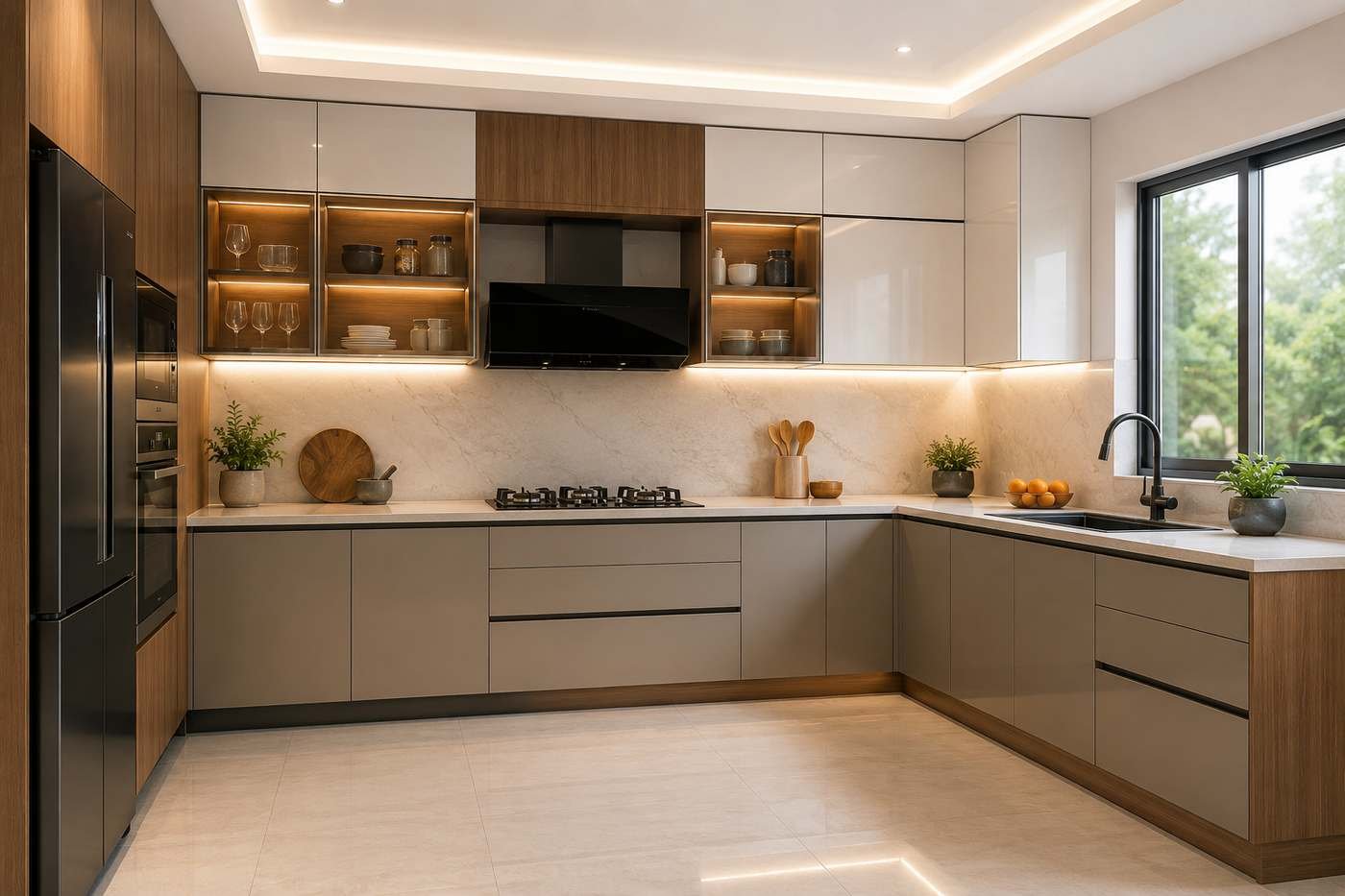
Modular Kitchen Cost in Kolkata 2026: A Complete Pricing Guide
-
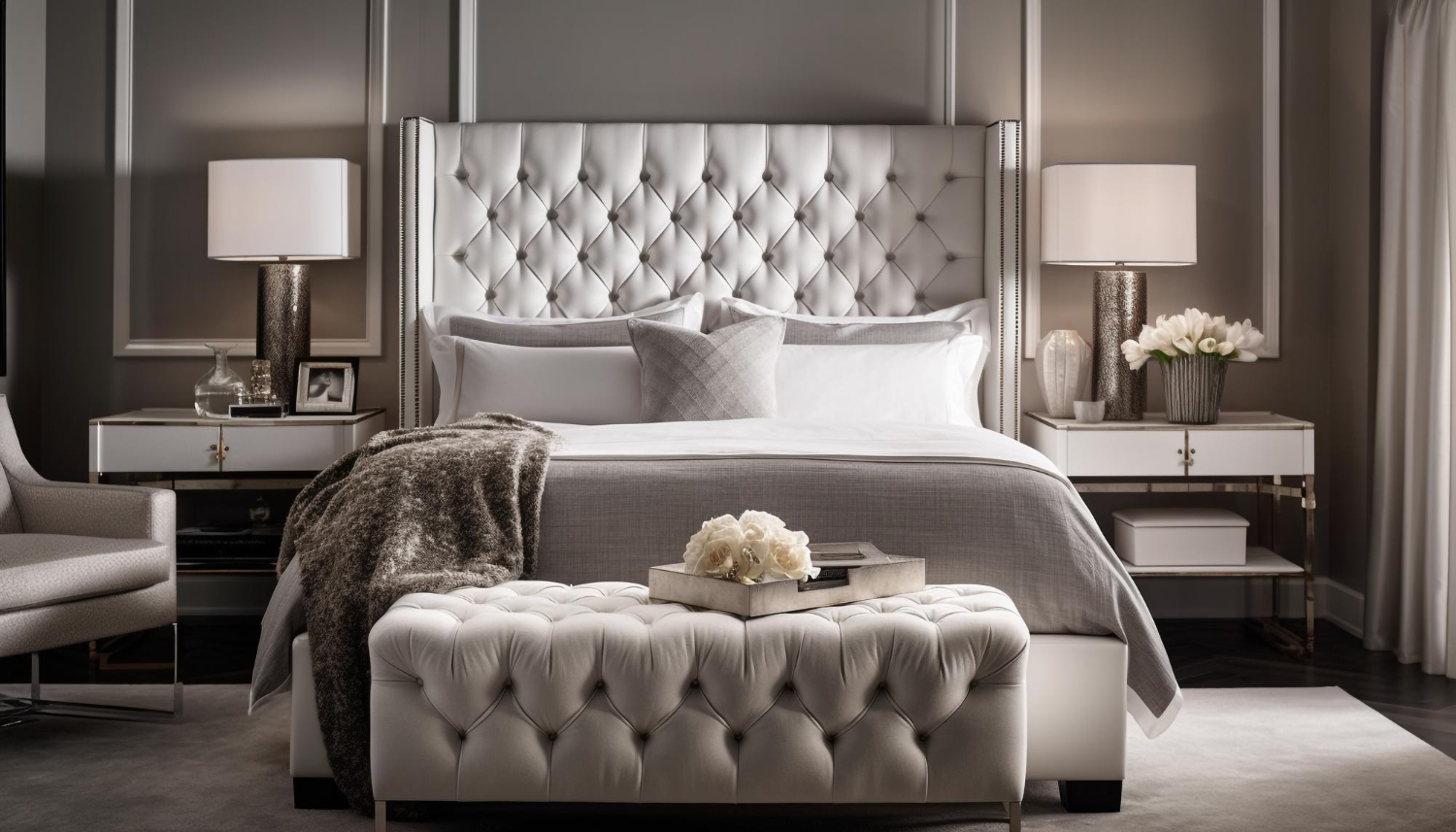
Interior Company in Kolkata – Complete Guide to the Best Interior Design Services in 2026
-
Interior Designer in Salt Lake for Luxury & Functional Spaces with Budget-Friendly Prices
-
Free Interior Design Quote in Kolkata: How to Get an Accurate Estimate for Your Home
-
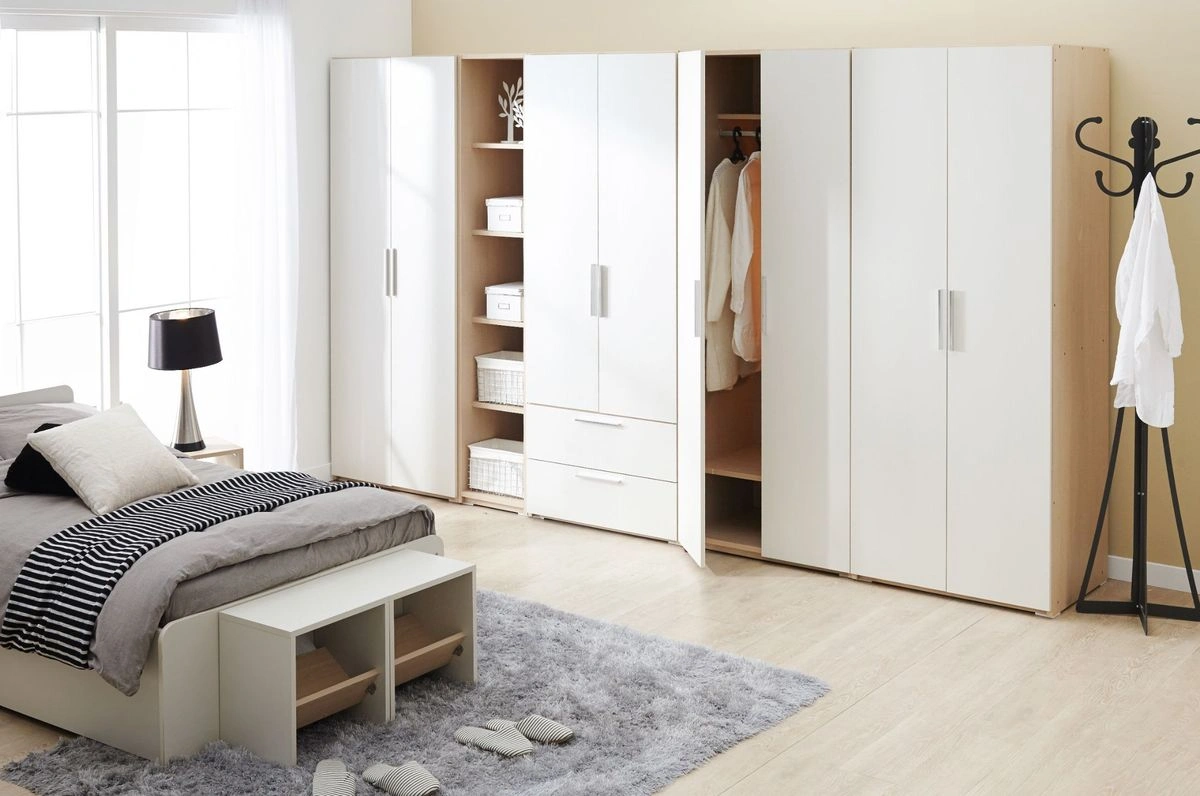
BEST TRENDING WARDROBE DESIGNS IN 2026
Introduction
Every year, interior design evolves in response to how we live, work, and think about our spaces. Some years bring dramatic shifts in color and material choices; other years are defined by a quieter change in how spaces are planned and used. 2026 falls somewhere in between — the trends this year aren't just about aesthetics, they reflect deeper shifts toward sustainability, wellbeing, functionality, and personalization.
Whether you're planning a complete home renovation, refreshing a single room, or designing a new office space, understanding the latest interior design trends 2026 can help you make choices that feel current today and still hold up well years from now. In this guide, we'll walk through the biggest trends shaping homes and workspaces this year, and how to apply them practically — especially if you're designing a space in a city like Kolkata, where climate, space constraints, and local culture all play a role in what actually works.
Why Interior Design Trends Matter (And When to Ignore Them)
Before diving into the trends themselves, it's worth addressing a common question: should you actually follow interior design trends, or are they just marketing noise?
The honest answer is — trends are useful as a starting point, not as a rulebook. They reflect what's technically and culturally possible right now: new sustainable materials becoming available, smart home technology becoming more affordable, or shifts in how people are using their homes post-pandemic (more remote work, more multi-generational living, more emphasis on personal wellbeing at home).
A good designer uses trends as inspiration while tailoring the final design to your actual lifestyle, budget, and the physical realities of your space. With that context in mind, let's look at what's actually shaping interiors in 2026.
1. Biophilic Design — Bringing Nature Indoors
Biophilic design incorporating plants, natural light, water elements, and organic materials into interior spaces — remains one of the strongest trends this year, and for good reason. Numerous studies have linked exposure to natural elements indoors with reduced stress, improved focus, and better overall wellbeing.
In 2026, biophilic design has moved beyond just placing a few potted plants around a room. Designers are now incorporating:
- Living walls and vertical gardens, even in compact apartments
- Natural material palettes — wood, stone, rattan, and jute textures used more prominently
- Maximized natural light through strategic window placement, skylights, and glass partitions
- Water features, where space allows, for a calming ambient effect
For smaller homes, even a single well-placed plant corner near a window, combined with natural material accents like a jute rug or a rattan lamp shade, can bring in this trend without requiring a full renovation.
2. Earthy and Warm Color Palettes
After a few years of bold, saturated color trends, 2026 is seeing a clear shift toward warm neutrals, terracotta, olive green, muted browns, and soft clay tones. These colors create a grounded, cozy atmosphere and tend to age well — unlike trend-driven bright colors that can feel dated within a few years.
This palette shift is also practical: earthy tones pair easily with a wide range of furniture styles, from mid-century modern to contemporary minimalist, making them a safer long-term investment for homeowners who don't want to repaint every couple of years.
Accent walls in deep terracotta or olive, paired with neutral base walls, are a popular way to introduce this trend without overwhelming a space.
3. Multi-Functional Furniture
As urban living spaces continue to shrink in cities across India, including Kolkata, multi-functional furniture has moved from a niche solution to a mainstream design priority. This includes:
- Sofa-cum-beds and daybeds that convert for guest use
- Extendable or foldable dining tables that adapt to different occasions
- Storage-integrated beds and ottomans
- Modular shelving systems that can be reconfigured as needs change
- Nested tables that expand for entertaining and tuck away otherwise
This trend isn't just about saving space — it's about designing homes that can flex with changing needs, whether that's a home office that converts into a guest room, or a living room that needs to host more people occasionally.
4. Sustainable and Eco-Friendly Materials
Sustainability has firmly moved from a niche preference to a mainstream expectation in interior design. In 2026, more homeowners are actively asking for:
- Low-VOC (volatile organic compound) paints, which improve indoor air quality
- Reclaimed and FSC-certified wood for furniture and flooring
- Natural fiber fabrics like organic cotton, linen, and jute over synthetic alternatives
- Energy-efficient lighting and appliances integrated into the design from the start
This shift isn't purely about environmental responsibility — sustainable materials often come with better durability and lower long-term maintenance costs, making them a smart financial choice as well.
5. Smart Home Integration
What used to be considered a luxury feature is now increasingly standard in mid-range home renovations. Smart home integration in 2026 typically includes:
- App-controlled and voice-activated lighting
- Smart thermostats that adjust based on occupancy and time of day
- Automated curtains and blinds
- Smart security systems integrated with home automation hubs
- Energy monitoring systems that help track and reduce consumption
For those renovating in phases, smart lighting is usually the easiest and most cost-effective entry point, with other systems added incrementally as budget allows.
6. Textured Walls and Statement Ceilings
Flat, plain walls are giving way to more tactile, dimensional finishes. Popular textured wall treatments in 2026 include:
- Exposed or faux brick for an industrial-meets-cozy look
- Fluted or ribbed wood panels, especially in living rooms and bedroom headboards
- Lime plaster and textured paint finishes for a handcrafted, organic feel
- Stone cladding as an accent in entryways or feature walls
Ceilings, too, are getting more design attention than in previous years. False ceilings are increasingly designed as intentional statement features — incorporating layered lighting, geometric patterns, and material contrasts — rather than simply serving a functional purpose of concealing wiring and improving acoustics.
7. Minimalist Maximalism
One of the more nuanced trends this year is what some designers call "minimalist maximalism" — a hybrid approach that combines the clean, clutter-free foundation of minimalism with one or two intentional, bold statement pieces.
This might look like a mostly neutral, uncluttered living room anchored by a single striking chandelier, an oversized piece of art, or a boldly patterned accent chair. The idea is to avoid the visual fatigue of full maximalism while still allowing personality and visual interest into the space — rather than defaulting to an entirely safe, generic look.
8. Curved Furniture and Soft Lines
Sharp angles and rigid geometric furniture are softening into curved sofas, round dining and coffee tables, and organically shaped furniture pieces. This trend reflects a broader shift toward interiors that feel more relaxed, comfortable, and inviting — as opposed to the sharper, more formal aesthetics that dominated in previous years.
Curved furniture also tends to improve flow in smaller spaces, since rounded edges can make walkways feel less cramped compared to sharp-cornered pieces.
9. Dedicated Home Office Spaces
With hybrid and remote work now a permanent fixture for many professionals, dedicated home office spaces have moved from an afterthought to a core part of home design planning. Well-designed home offices in 2026 typically prioritize:
- Proper task lighting — ideally a mix of natural light and adjustable desk lighting
- Ergonomic furniture — chairs and desks designed for extended use, not just visual appeal
- Acoustic considerations — rugs, soft furnishings, or acoustic panels to reduce noise, especially important for video calls
- Visual separation from living spaces, even in smaller apartments, using room dividers, bookshelves, or strategic furniture placement
This trend is particularly relevant for growing businesses too — companies designing office spaces are borrowing residential comfort principles to make workplaces feel less clinical and more conducive to focused work.
10. Personalized and Culturally-Inspired Decor
Perhaps the most human trend on this list is a move away from generic, catalog-style interiors toward spaces that genuinely reflect the people living in them. This includes:
- Handcrafted decor pieces sourced from local artisans
- Regional art and textiles incorporated into modern layouts
- Personal collections — books, travel souvenirs, family heirlooms — displayed intentionally rather than hidden away
- Custom furniture pieces designed around specific needs or family traditions
In a place like Bengal, this trend opens up wonderful opportunities to incorporate traditional Bengal art, handloom textiles, and regional craftsmanship into otherwise contemporary interiors — creating spaces that feel both current and deeply rooted in local identity.
How to Apply These Trends in Kolkata Homes and Offices
Trends are one thing — practical application in a specific city and climate is another. Here's how these 2026 trends translate for Kolkata specifically:
Space constraints: Given the prevalence of 2BHK and 3BHK apartments across Kolkata, multi-functional furniture isn't just a trend here — it's often a necessity. Prioritize pieces that serve double duty.
Humid climate: Biophilic design elements need to account for Kolkata's humidity. Choose humidity-tolerant plant species and moisture-resistant natural materials to avoid maintenance headaches.
Gradual smart home adoption: Rather than a full smart home overhaul, start with smart lighting and switches — these are relatively affordable, easy to retrofit into existing homes, and provide immediate convenience.
Local craftsmanship: Kolkata and greater Bengal have a rich tradition of handloom textiles, terracotta work, and traditional art. Incorporating these elements ties the personalization trend directly into the region's cultural strengths.
Monsoon-proofing textured walls: If you're considering exposed brick or textured wall finishes, make sure they're properly sealed and treated to withstand Kolkata's monsoon humidity without deteriorating.
Common Mistakes to Avoid When Chasing Trends
Over-committing to short-lived trends: Not every trend ages well. Structural changes (like layout or built-in furniture) should lean toward timeless choices, while trend-driven elements are best kept to easily changeable items like cushions, art, and accent pieces.
Ignoring your actual lifestyle: A stunning minimalist living room looks great in photos but might not work for a family with young children or pets. Always filter trends through how you actually live day to day.
Skipping professional guidance: DIY trend-chasing can lead to a disjointed look. An experienced designer knows how to blend multiple trends cohesively rather than creating a space that feels like a checklist of unrelated ideas.
Underestimating maintenance: Some trendy materials — like certain natural stones or unsealed wood finishes — require more upkeep than homeowners anticipate. Always ask your designer about maintenance requirements before committing.
Conclusion
The interior design trends of 2026 go beyond surface-level aesthetics — they reflect a genuine shift toward sustainability, functionality, personal wellbeing, and authentic self-expression in the spaces we live and work in. From biophilic design and earthy color palettes to smart home integration and personalized decor, this year's trends offer plenty of ways to refresh a space meaningfully rather than just following fleeting fads.
That said, the best interiors aren't built by blindly following trends — they're built by adapting these ideas to your specific space, climate, budget, and lifestyle. Whether you're renovating a home or designing a new office in Kolkata, working with an experienced designer ensures these trends are applied thoughtfully rather than superficially.
If you're ready to bring these latest trends into your home or office in Kolkata, Ashiana Interiors would be glad to help. With over 31 years of experience delivering turnkey interior solutions across the city, our team can guide you through a design that's both current and built to last.
Frequently Asked Questions
Q1. What are the top interior design trends for 2026?
Biophilic design, earthy color palettes, multi-functional furniture, sustainable materials, and smart home integration are among the most popular trends this year.
Q2. Are these trends suitable for small apartments?
Yes, trends like multi-functional furniture and minimalist maximalism are specifically well-suited for space-constrained homes, helping maximize functionality without sacrificing style.
Q3. Is it necessary to follow interior design trends?
Trends are great for inspiration, but your final design should be customized to your lifestyle, budget, and space — a good designer will guide you on what to adopt and what to skip.
Q4. What colors are trending in interior design for 2026?
Warm neutrals, terracotta, olive green, and muted earthy browns are trending over brighter, bolder colors this year, offering a timeless, cozy aesthetic.
Q5. Is smart home technology expensive to add to an existing home?
Not necessarily. You can start small with smart switches and app-controlled lighting, then gradually expand to thermostats and automation systems as your budget allows.
Q6. What is biophilic design?
Biophilic design incorporates natural elements like plants, natural light, and organic materials into interiors to improve wellbeing and create a calming, connected-to-nature environment.
Q7. Are false ceilings still in trend for 2026?
Yes, but the approach has evolved — false ceilings are now designed as statement features with layered lighting and geometric detailing, rather than purely functional elements.
Q8. What furniture materials are trending this year?
Reclaimed wood, sustainable natural fabrics, and curved-profile furniture with soft lines are among the most sought-after materials and shapes in 2026.
Q9. How do I design a home office within a small apartment?
Choose a quiet corner with good natural light, add ergonomic seating, and use acoustic elements like rugs or soft furnishings to reduce noise — even a small, well-planned corner can function effectively as a home office.
Q10. How can I make my interior design more personalized?
Incorporate elements that reflect your culture, travel experiences, or personal story — such as handcrafted decor, regional art, or custom furniture pieces — instead of relying on generic catalog designs.